

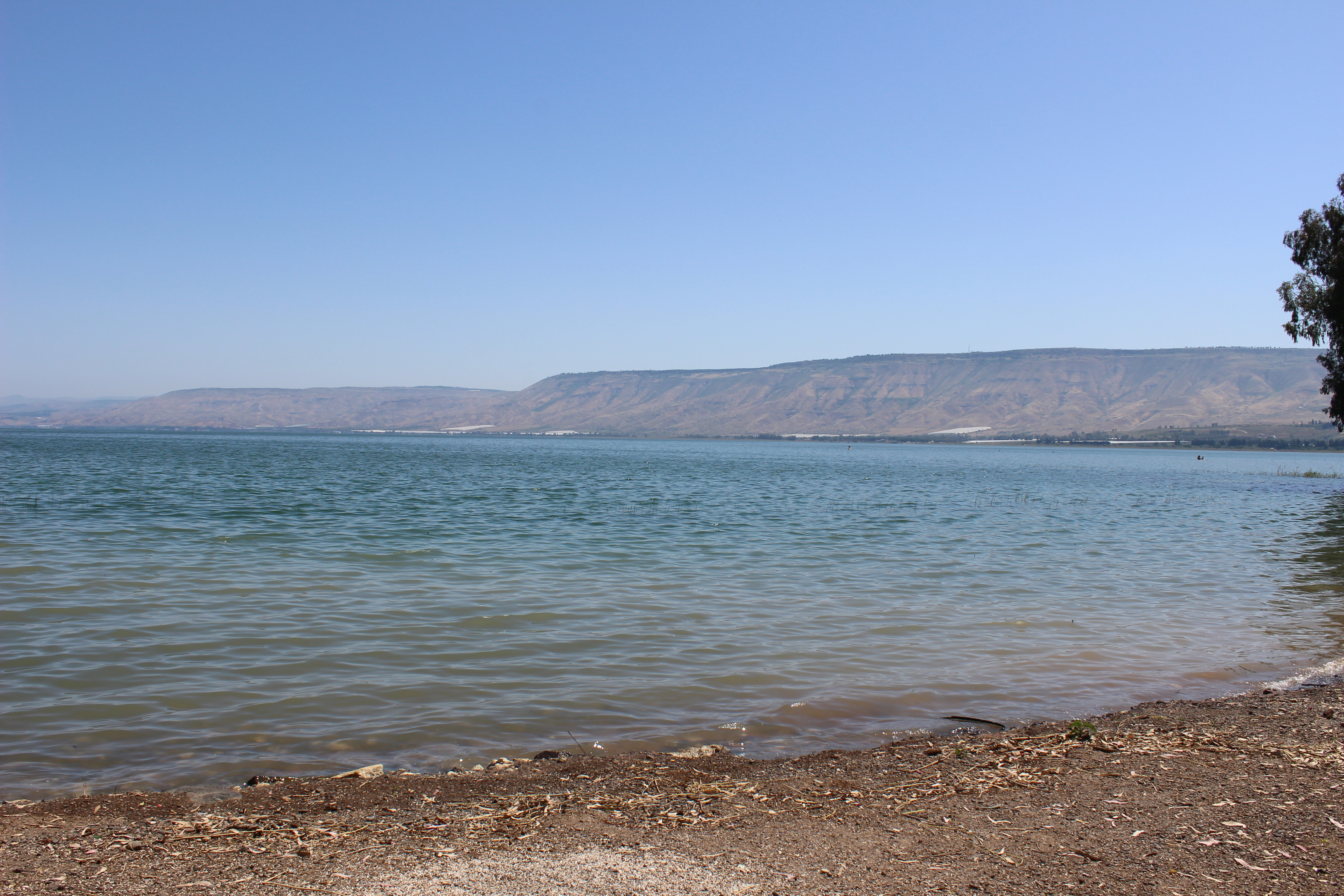

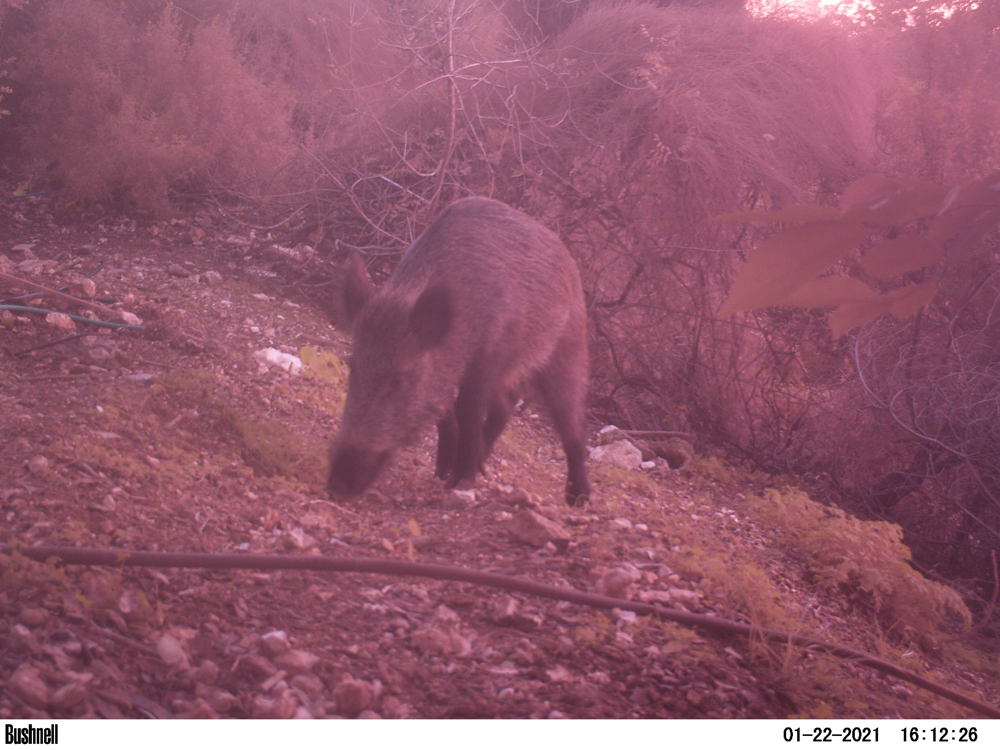
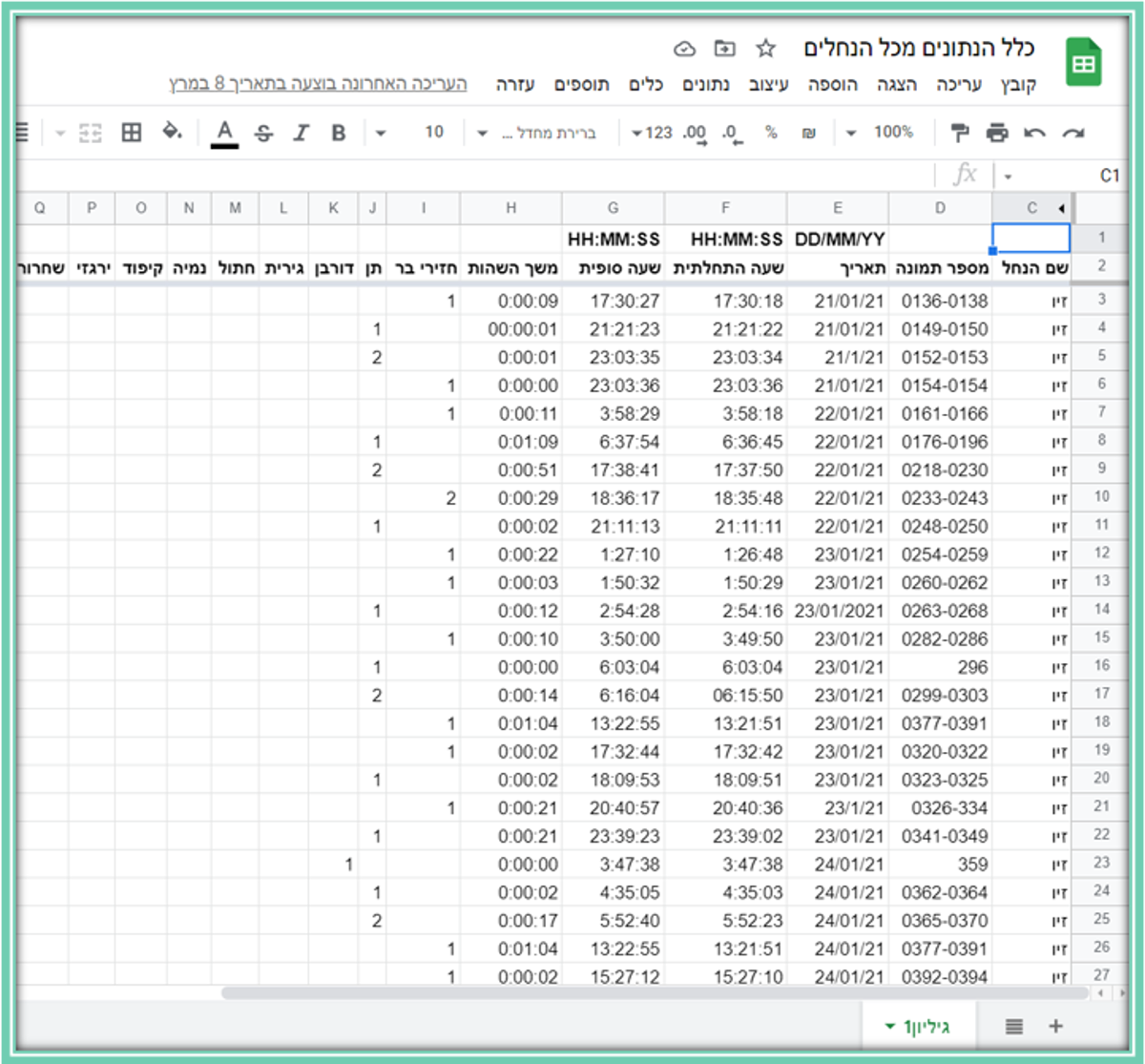
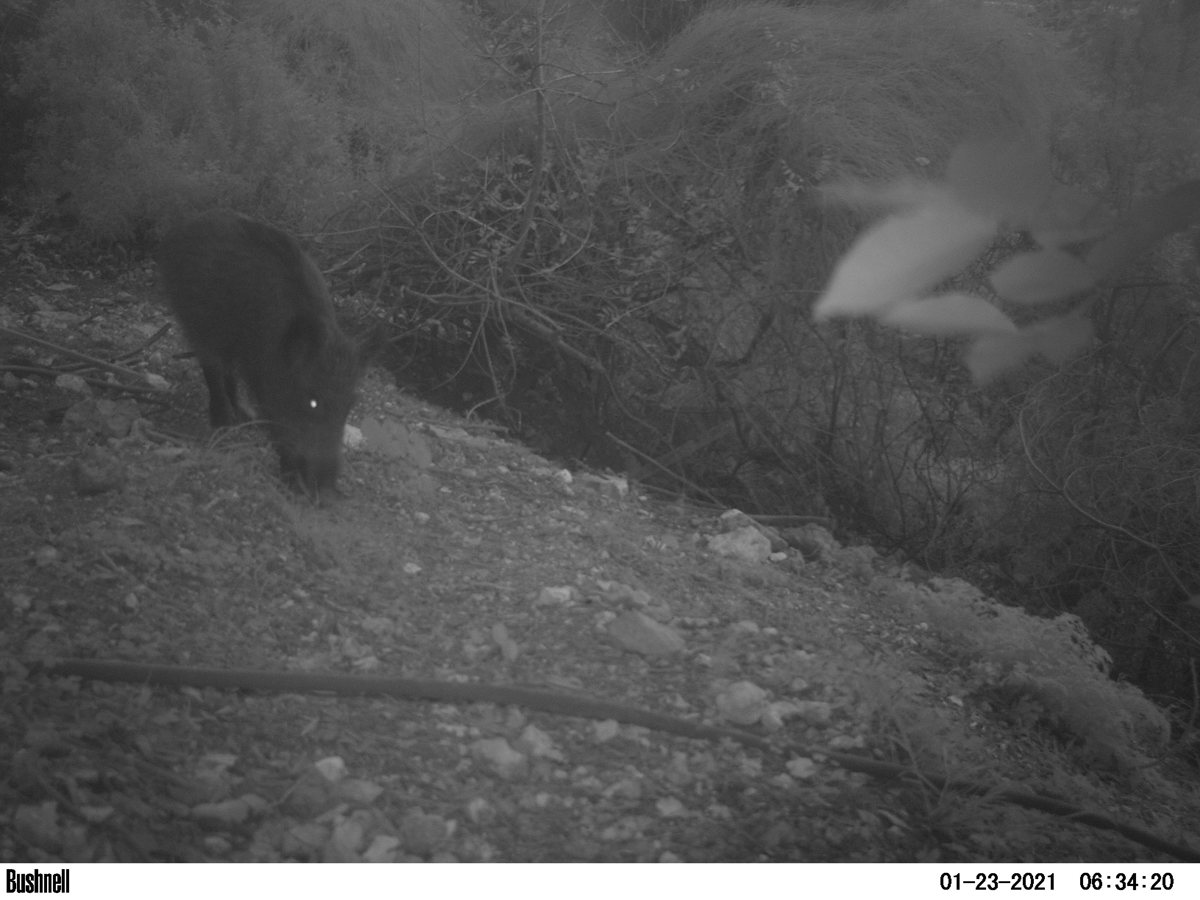
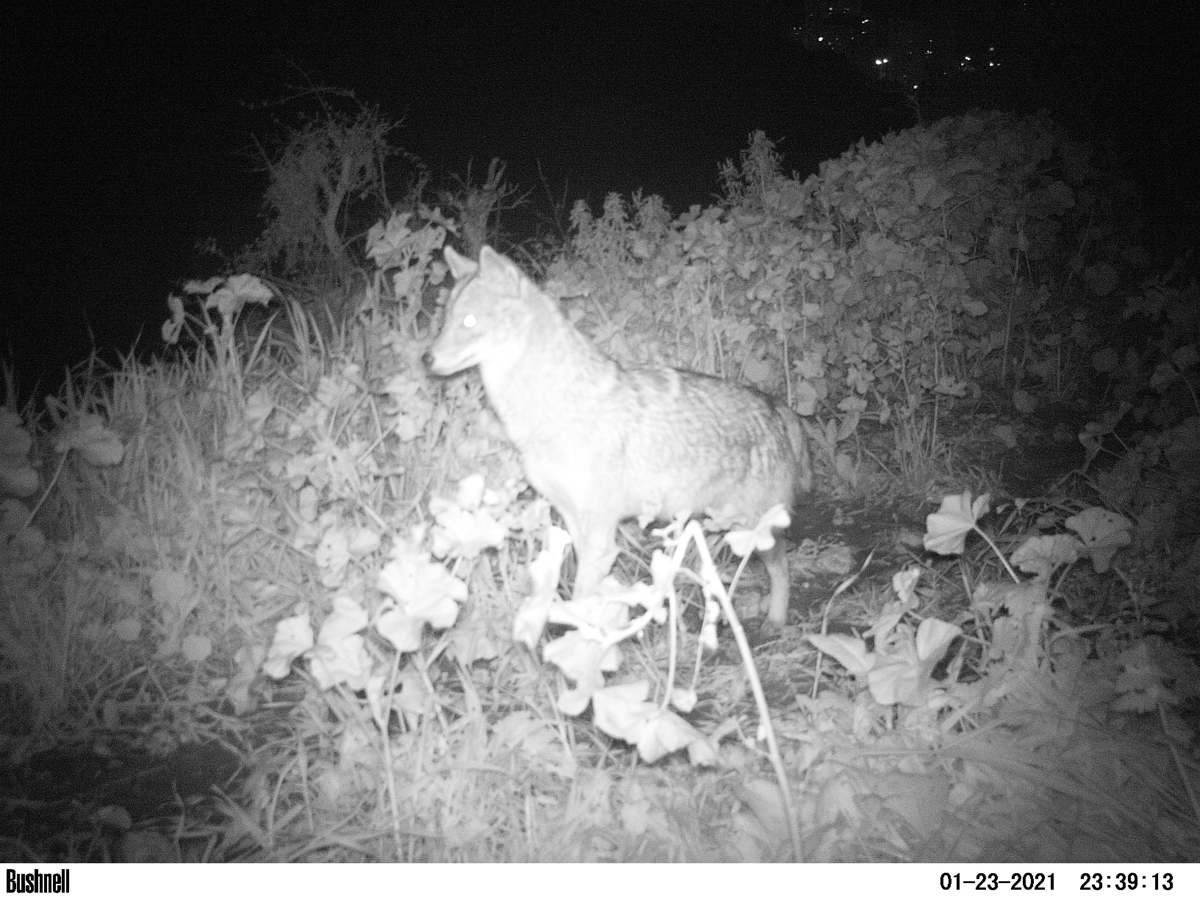
As part of the Urban Nature Project, motion-activated cameras were installed by one of the researchers leading the project. Three cameras were placed in three different streams in Haifa: Lotem Stream, Ziv Stream, and Ramaz Stream. The cameras were installed below residential neighborhoods. After two weeks, the cameras were retrieved, along with thousands of photos they had captured. To facilitate the students’ work, the photos were distributed among all participating students from different schools, so that each group of students was responsible for analyzing a limited number of photos. To facilitate the work, particularly during the COVID-19 pandemic, the entire activity was conducted remotely using Google Drive. All photos were uploaded to a dedicated Google Drive account. The project leaders then created organized tables listing the file names for analysis by each student group. In the first stage, the students were asked to sort the images into: blank images (those in which no wildlife appears), images of wild boars, and images of other wildlife. The students were then asked to analyze the images (other than the blank ones) according to the type of animal appearing, the number of individuals appearing in the images, and the duration of their observation. The students documented this analysis in a collaborative Google Sheet that consolidated all the data from the participating schools. Dividing the work among the students significantly lightened the load and generated a large volume of data; once consolidated, this data enabled analysis in light of the research questions raised by the students.
More resources


Comments
0No comments yet. Yours could be the first.