




It all began with a strong desire on the part of Rambam Elementary School in Nahariya and its principal to bring about a change in their standing within the community through educational innovation. To achieve this goal, the school principal turned to the University of Haifa for assistance. At the same time, the scientists behind the jellyfish project, Prof. Dror Angel and Dr. Dor Edelist, were eager to expand their existing community collaboration to include schools as well. The match between the school and the researchers was a natural one, and was made by the Center for the Advancement of Citizen Science in Schools.
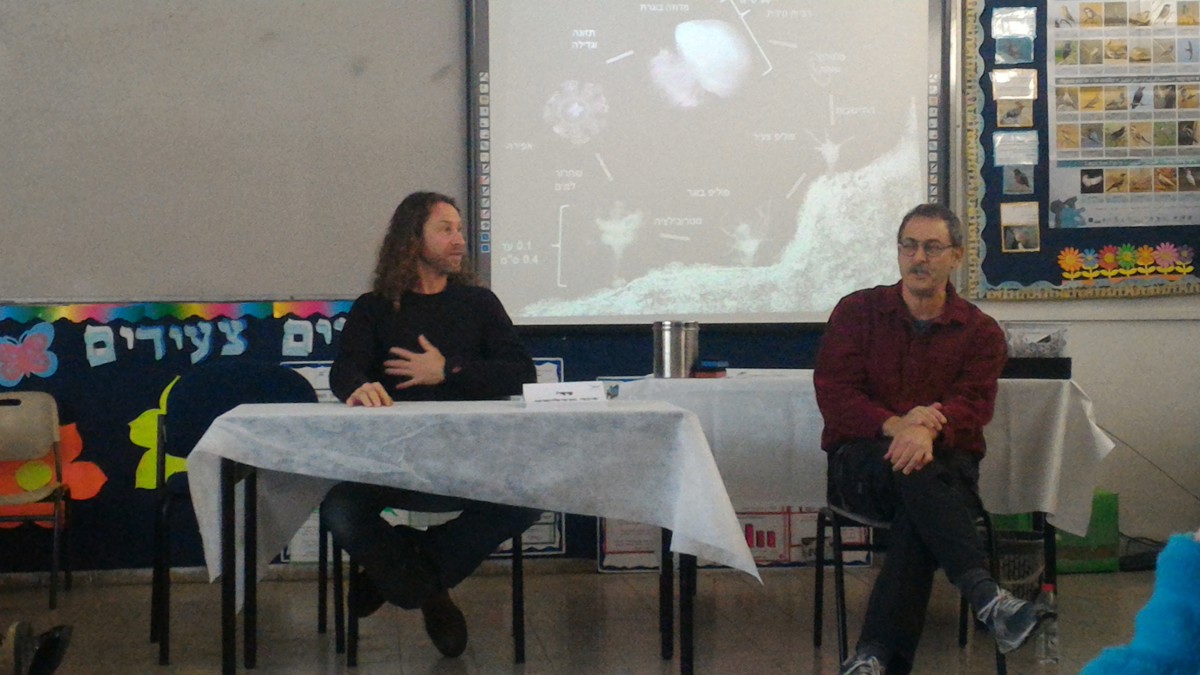
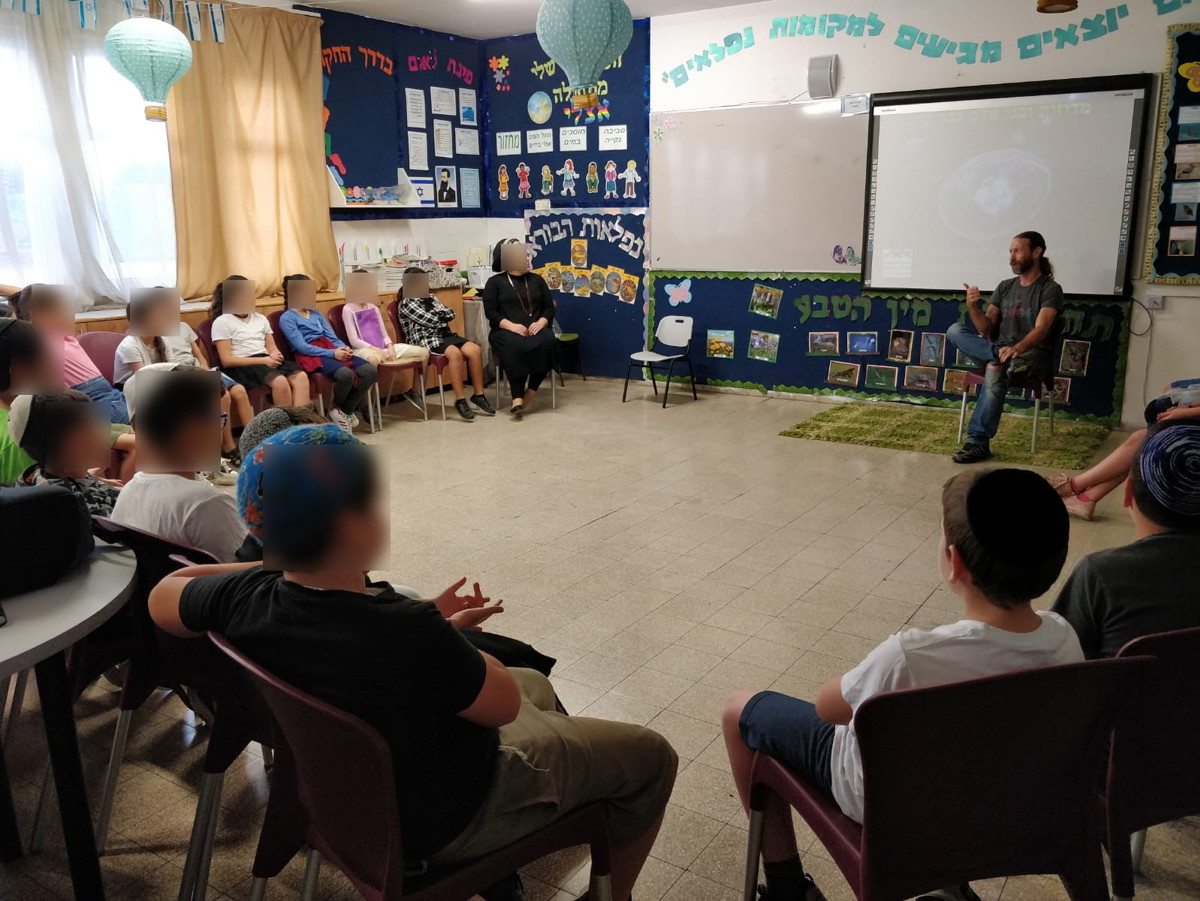
The collaborative process was characterized by a strong willingness to cooperate on all sides and involved a great deal of trial and error. Considerable emphasis was placed on the relationship between the scientists and the students. The scientists met with the students both at school and on the beach, and also supported remote learning. The design of the activities was carried out in collaboration with learning researchers who guided the process, accompanied the school-based professional development sessions and the activities, provided pedagogical support to the teachers throughout, and mediated between them and the scientists. The process included encouraging teachers to integrate collaborative, technology-based inquiry learning while making use of diverse learning spaces. Learning took place within an inquiry framework using the PBL (Project-Based Learning) method.
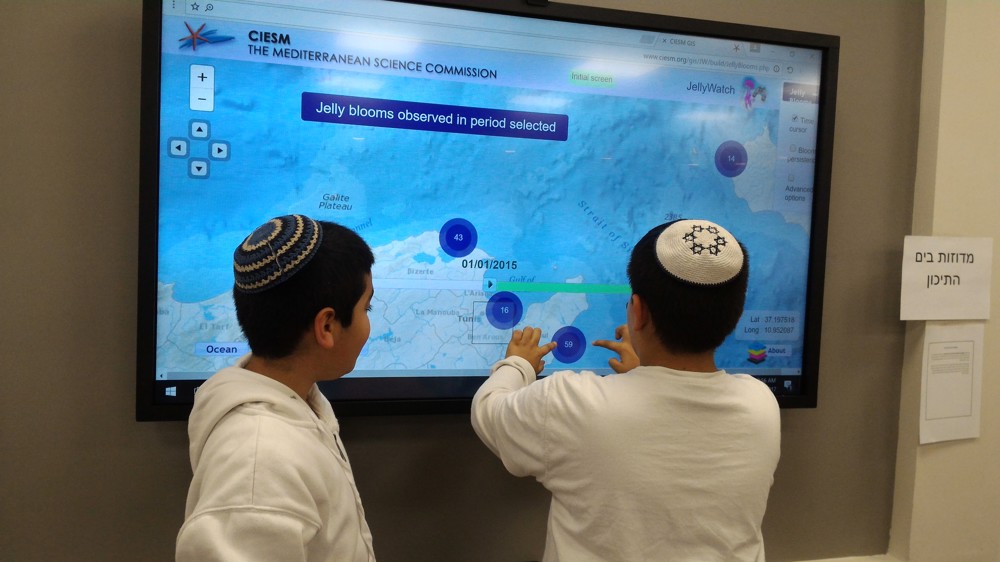
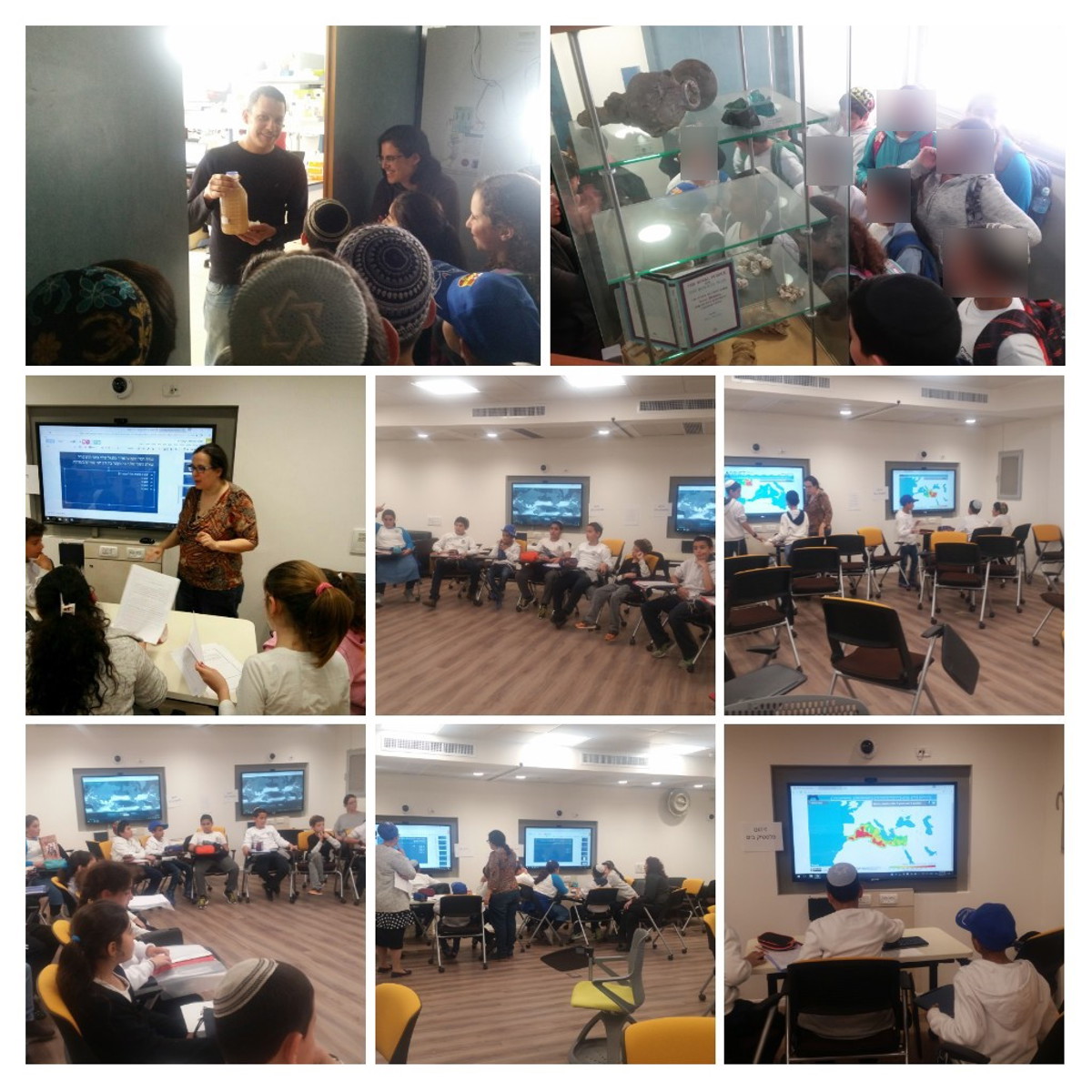
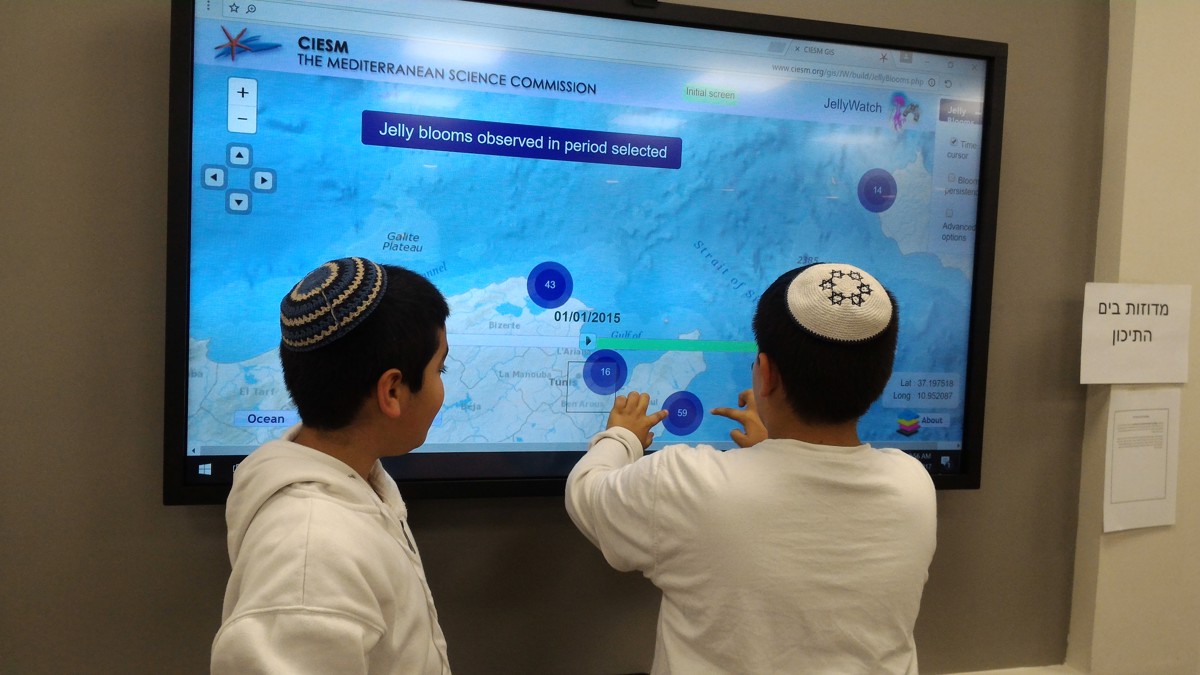
These learning spaces included, of course, the beach, as well as the Future Learning Space (FLS) at the University of Haifa. The university visit realized the principle of breaking down boundaries between school and academia, and allowed students to experience inquiry learning and working with data in a technology-rich environment. The students explored the national database, to which they themselves had contributed, and raised their own research questions.
The contribution to the school, and in fact to all partners, was significant. First and foremost, it is important to note that all partners, including the students, greatly enjoyed the process.
The students showed tremendous enthusiasm for the subject from the outset, far beyond what had been expected, connected to it on a personal level, and expressed interest in expanding their knowledge of jellyfish. It is fair to say that in many of them a new area of interest was ignited. The students acquired new skills, experienced collaborative learning, and engaged in database inquiry learning. They also conducted a survey among students and parents and set up information stations along the Nahariya promenade. The research was integrated across various disciplines including science, art, and homeroom.
They were also deeply affected by the direct contact with the scientists and the university visit, where they were able to see their own contribution to the national research database in the field. They noted the fact that they felt they were doing something important, which filled them with great pride. The tour of the university and the laboratories where the researchers work in general, and participation in university research in particular, brought the university closer to their lives.
The researchers felt that this initial experience exposed them to the potential inherent in collaborating with schools and, through them, with the general public, and to the capacity of such collaboration to contribute to expanding the data pool in the field. They enjoyed the students' interest in their research and were impressed by their questions, which indicated a high level of understanding. But beyond that, they were pleased by the strengthening of students' understanding of the marine environment, the deepening of their connection to the sea and to nature, and the shifts that occurred as a result in students' attitudes toward jellyfish.
The teachers underwent a meaningful process of broadening their conceptions of learning and diversifying their teaching approaches and tools, through participatory dialogue that supported the process of embedding and change. Through a lengthy but consistent process, the school staff took ownership and responsibility for driving the project and created a complete activity plan of activities related to the jellyfish project, in which students work in groups through the building of collaborative presentations, dialogue with the scientists, and the asking of generative questions. The entire school staff takes part in driving the project and in producing an annual culminating event around the topic.
The end of the matter is the beginning of the story. The school staff feels that a significant leap forward has taken place. Following the initiative, a Future Learning Space was built in the school, with group workstations equipped with laptops. Today, all students in grades 4 and 5 participate in the curriculum based on the jellyfish project, and dedicated hours within the school timetable are devoted to it. It is accurate to say that the school has achieved an embedding of educational innovation through citizen science as a tool for engaging and integrating the school in scientific research. The school principal attests that a collaborative learning culture has developed in the school, and that a leap has occurred in the staff's capacity to lead meaningful learning and projects within the framework of lessons.
Following the Covid outbreak, the activity was interrupted, as the pandemic broke out precisely during the season most suitable for data collection.
More resources


Comments
0No comments yet. Yours could be the first.