



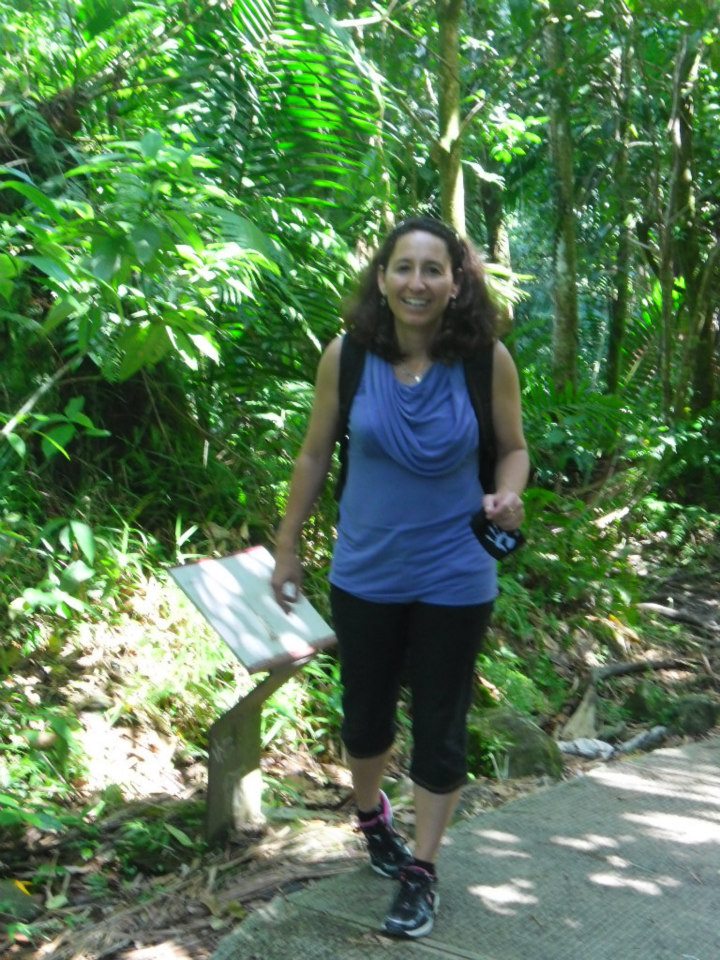
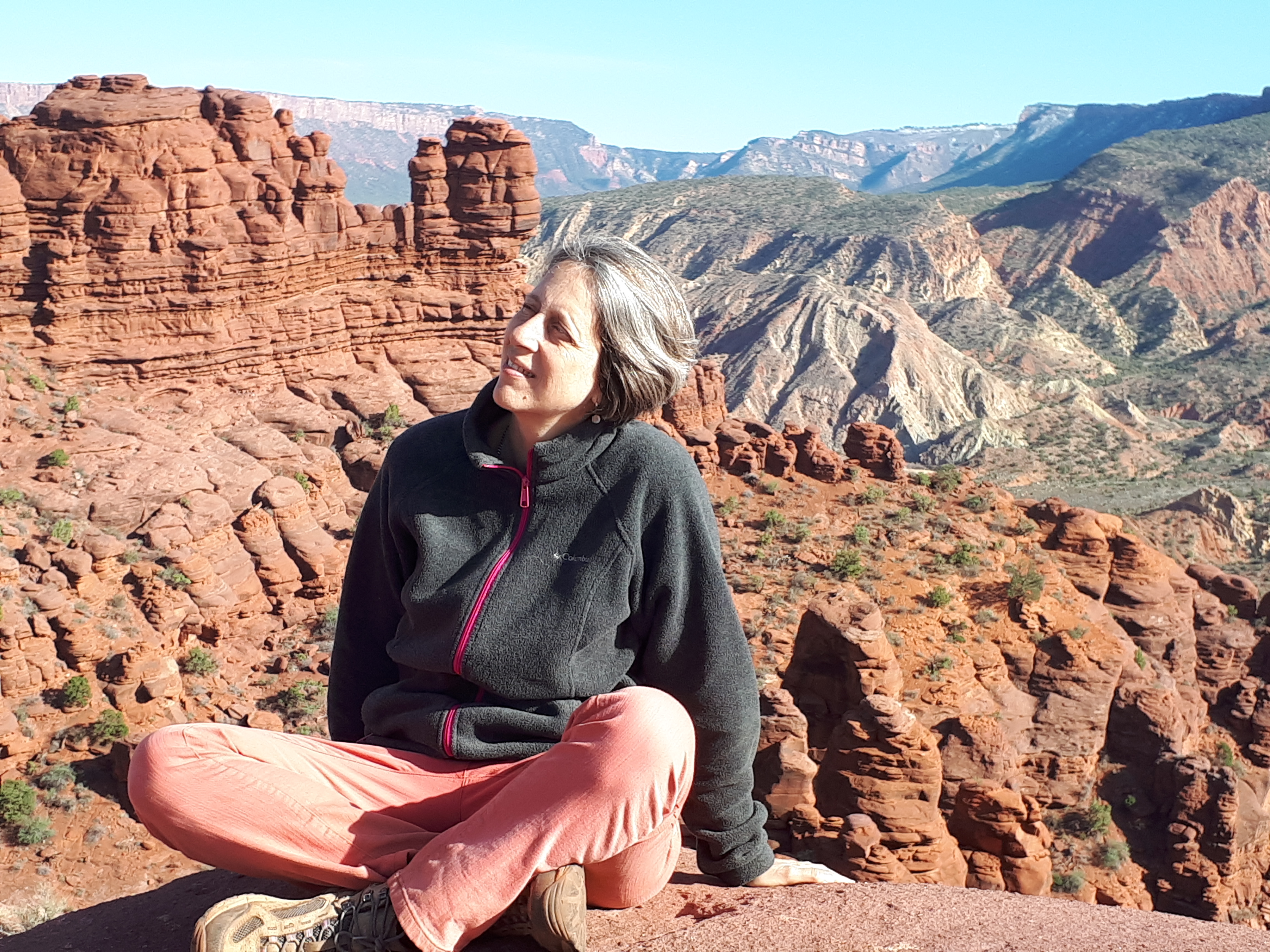


We, Irit Bar and Yael Ben-Nun, students in the Citizen Science course within the Educational Technology program at the University of Haifa, were captivated by the story of the Irises. We decided to expand on it and write a new story that sheds light on the project, following an interview we conducted with Hila Shefet Barakai (developer of the Iris Citizen Science Project): The science class at the “WIZO Hadassim” Youth Village went out to the field near the school to investigate the irises growing there. At first, the students expressed a lack of interest: “What’s so interesting about a flower?!” and “Who has the energy for this research?!”...
What did the teacher do?
Hila Shefet Barakai, the science teacher and project coordinator, located the field next to the school with the help of an ecologist and prepared a structured plan (aligned with the curriculum) to investigate why iris flowers bear fruit in some places, and not in others. In doing so, Hila applied the pedagogical principle of supporting the adaptation of activities to local cultures. The students received scientific background on irises and various research methods, studied biodiversity in depth, formulated research questions, visited the Natural History Museum, and heard firsthand lectures from experts in the field. Hila applied the principle of bridging the gap between students, teachers, and experts in the community.
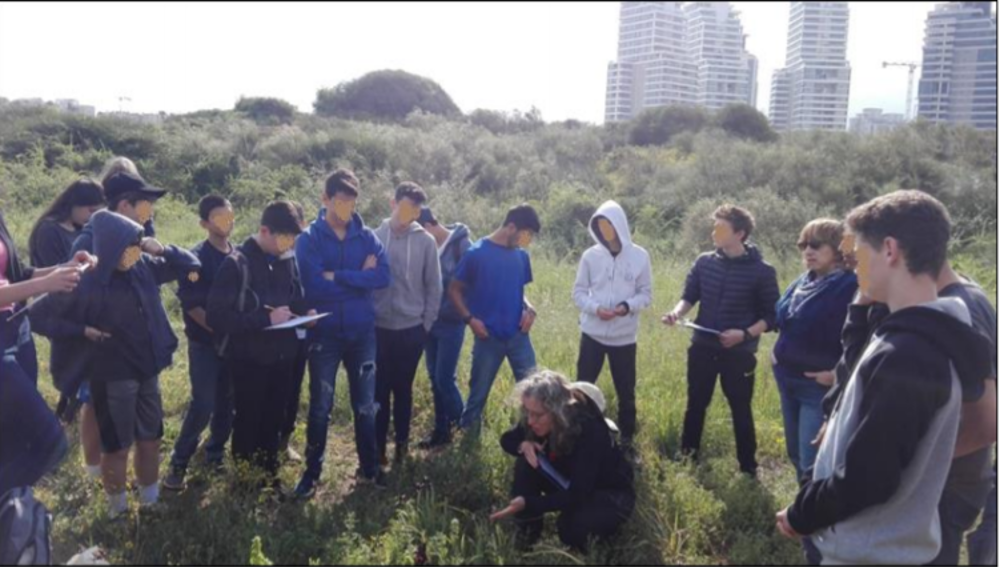
At the same time, the students went out into the field, divided into groups assigned to different plots of land. Little by little, the students began to fall in love with the research field (literally: the field itself). Every week, the students counted flowers and collected data on plant height and air and soil temperatures. On one of the field trips, she heard the students remark: “It’s beautiful here…,” “What a romantic place this is! I have to bring someone here…” Hila explained, “The students knew ‘Iris’ only as the name of a street in the town. Before participating in the project, they had never seen the scarlet iris and didn’t know it grew in the town.” Thanks to the project, the young researchers became avid nature lovers. Their connection to the place grew, and with it, their empathy for the “plight” of the flower: the irises are an endemic species, unique to the loess and kurkar soils of Israel. The students managed to monitor 200 scarlet irises, but at the same time were disappointed to discover that there are future construction plans for that plot.
What did the students do?
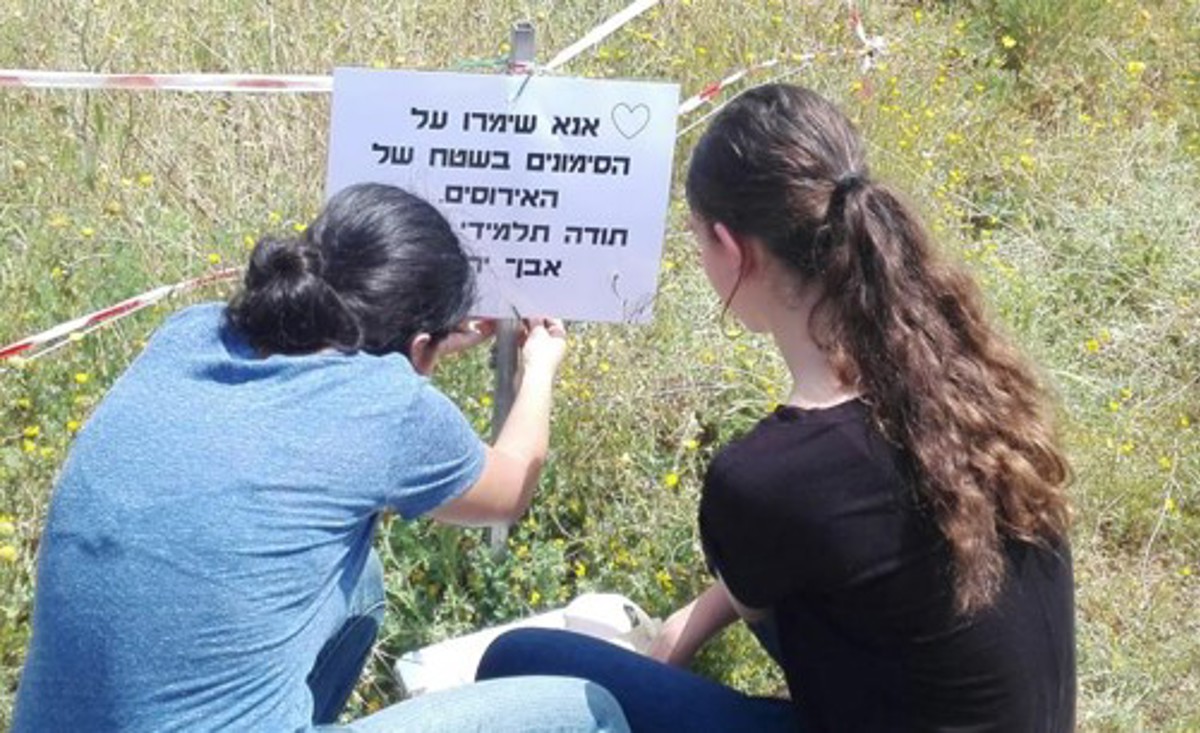
The students decided not to turn a blind eye, but to take action: they created signs to raise residents’ awareness, sent an official letter to the mayor, launched a petition, and shared it on social media along with stickers they had designed. When it became clear that economic considerations had once again taken precedence over ecological ones, the students proposed relocating the irises to another area not designated for construction and development. Hila contacted iris researcher Dr. Yuval Sapir to see if this was feasible. With the researcher’s help, in coordination with the Nature and Parks Authority, and with the assistance of volunteers from the Even Yehuda community, the students set out to relocate the irises to a new safe haven. This exemplified the pedagogical principle of encouraging active citizenship.
So what have we learned from this story?
Throughout their research and the activism initiatives they launched, the students collaborated with the community and local residents, thereby increasing their agency. The principle of agency is defined as the ability to set a goal, observe, and act, and is driven by the belief that learners have the ability and desire to positively influence their lives and the world around them. Not to mention the intrinsic motivation that developed in them from the start of the research through its unexpected developments. This story is part of a collection of stories about the Iris Project. If you’d like to learn more about the project, click on the link to the Iris Project at the top right of the page.
More resources
Comments
0No comments yet. Yours could be the first.